
I’ve been working with IPTV systems and streaming infrastructure for over ten years now, mostly on the technical side—setting up services, fixing playback issues, and untangling problems for people who were sure they’d been sold something broken. Over time, I’ve learned that the difference between a frustrating IPTV experience and a stable one often comes down to the resources behind the service. That’s where IPTV Geeks IPTV resources come into play.
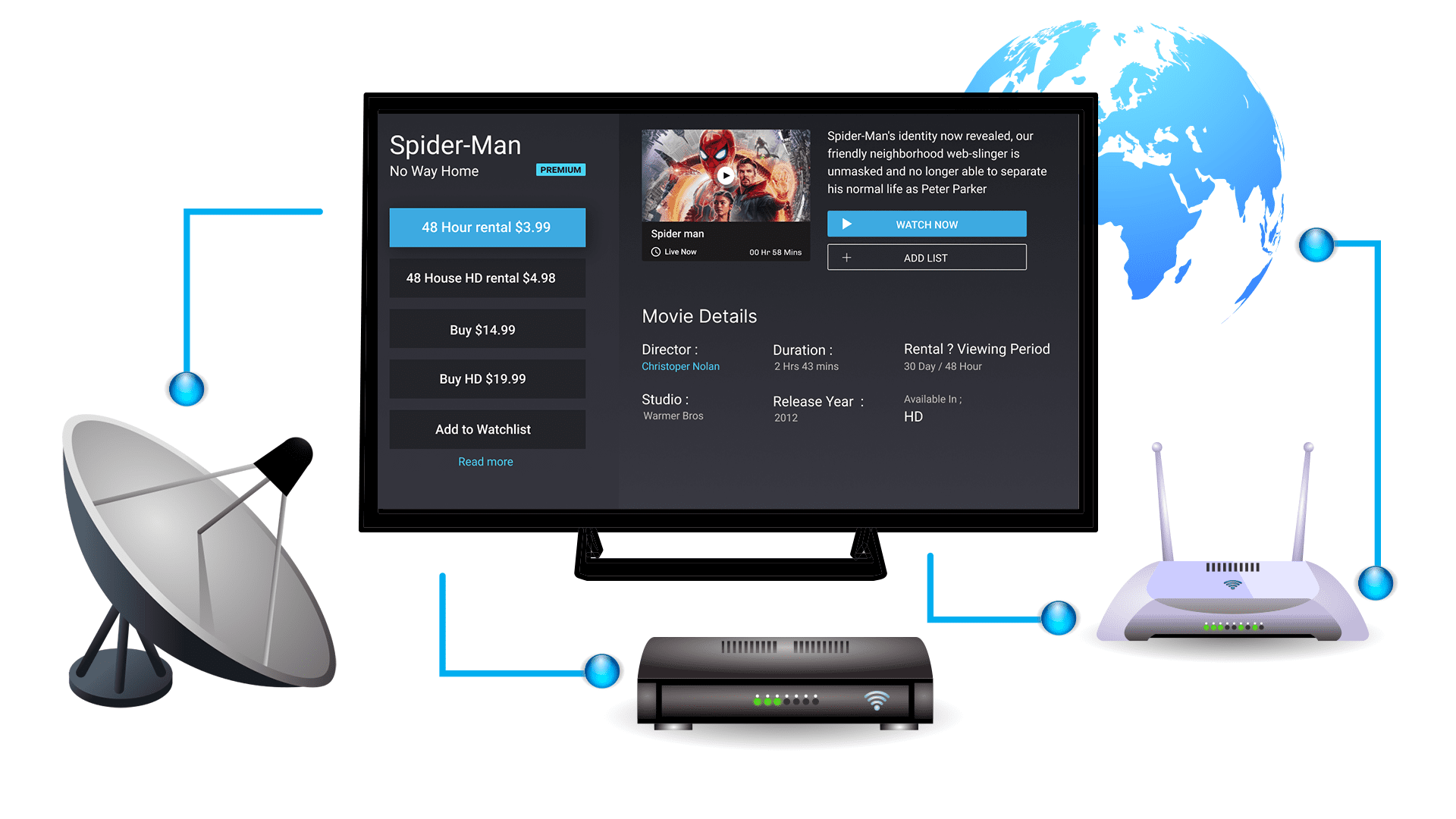
I first paid real attention to IPTV resources years ago while helping a friend who kept losing access to channels every few days. He blamed the service, the app, even his internet provider. When I looked closer, the problem was simpler: he was using outdated setup information copied from a forum post that hadn’t been updated in months. Once we switched to the current resource links provided by the service itself—playlist format, app compatibility notes, and basic troubleshooting—the issues stopped almost immediately. That experience stuck with me.
In my experience, IPTV resources aren’t just “extra reading.” They’re the difference between guessing and understanding. With IPTV Geeks, the resources usually cover the unglamorous but critical details: which playlist type works best on which device, how updates affect streams, and why certain apps behave better under load. I’ve watched people skip those sections entirely, then spend days chasing problems that were explained clearly in a few paragraphs they never read.
A customer last spring came to me convinced their IPTV setup was unstable because live sports kept freezing. They had fast internet and a decent device, so the complaint sounded reasonable. The issue turned out to be their EPG and playlist pulling unnecessary data every time the app launched. The fix wasn’t switching providers—it was using the streamlined resource configuration suggested by IPTV Geeks instead of the bloated default setup they found elsewhere. Once adjusted, the same streams ran without interruption.
Another mistake I see constantly is resource overload. People collect IPTV tips from Reddit threads, YouTube comments, and outdated guides, then mash them together. That usually creates conflicts—wrong buffer settings, mismatched formats, or apps that aren’t designed to work together. I generally advise sticking to one source of truth. IPTV Geeks’ own resources may not cover every edge case, but they’re internally consistent, and that matters more than having endless options.
Resources also help set expectations. IPTV is not traditional cable, and pretending otherwise leads to disappointment. The better IPTV resources explain what’s realistic: occasional channel changes, brief outages during major events, and the need for periodic updates. When users understand that upfront, they stop interpreting every hiccup as failure. I’ve seen attitudes shift completely once someone realizes their setup is behaving normally, not breaking down.
After a decade of dealing with IPTV setups, my opinion is firm. Subscriptions come and go, but solid resources are what keep a service usable over time. IPTV Geeks IPTV resources aren’t flashy, but they’re practical. If you take the time to understand and use them instead of skipping straight to the channels, most of the problems people complain about never show up in the first place. That’s not marketing—that’s just how these systems actually work in real homes.